Natural Remedies - Healing with Medicinal Herbs
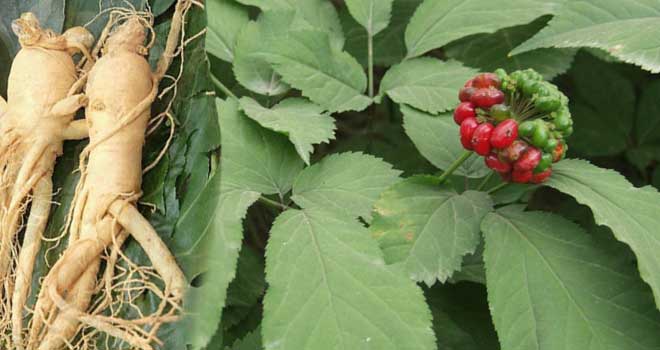
American Ginseng (Panax quinquefolius Araliaceae)
The invigorating effects of ginseng were discovered by the Chinese thousands of years ago. The tuberous roots of American ginseng (Panax quinquefolius), resembling the human body, earned the plant its Chinese name, meaning "root-man." This species is cultivated in the mid-eastern United States and exported worldwide.
Parts for Use
Roots
- Roots are collected in the fall from plants aged 6–7 years.
- Dried ginseng is white, while steaming turns it red.
- Ginseng varies in quality, with pricing based on the concentration of active ingredients in the root.
- It is sometimes mixed with chemical ingredients that may reduce its efficacy.
Ingredients
The effectiveness of American ginseng roots stems from terpenes called ginsenosides, with Rb1 being the primary ginsenoside.
Use in Treatment
The botanical name "Panax" derives from the Greek word “panacea,” meaning "that which cures everything," reflecting ginseng’s historical use as a versatile remedy. Renowned for its energy-boosting properties, American ginseng is often used as a stimulant to combat fatigue. A 1986 Italian clinical study found that ginseng enhances mental abilities on multiple levels. Many alternative medicine practitioners recommend it for reducing physical and mental stress, treating nervous exhaustion, and aiding recovery during convalescence. It can be taken alone or combined with other stimulant herbs, such as tea or cola, or with vitamins. Ginseng may also benefit diabetes management, with 1987 Chinese research showing it stimulates insulin secretion and a 1988 study indicating it increases bone marrow receptor numbers.
Cultivation
American ginseng seeds are sown in spring. The plant thrives in cold climates, preferring shady locations and warm, moist, rich, well-drained soil.
Preparation and Dosage
For Internal Use (Stress and Nervous Exhaustion)
- Infusion: Place one teaspoon of dried root in a cup of boiling water, steep for three to five minutes, and drink two to four cups daily.
- Capsules (500 mg): Take two capsules with breakfast and two with an afternoon meal.
Warnings
- Consult a healthcare professional before use.
- Avoid ginseng during pregnancy and breastfeeding.
- Do not administer ginseng to children who have not reached puberty.
- Consult a doctor before using ginseng if you have diabetes.
- Prolonged use may cause hormonal side effects, such as menstrual irregularities or significantly elevated blood pressure.
- Avoid ginseng if you have obesity, insomnia, or high blood pressure.
- Do not exceed 2 grams of powder daily, and limit treatment to one month, followed by a two-month break.
- Inform your surgeon if taking ginseng preparations before surgery.
- No adverse effects have been reported to date.