Natural Remedies - Healing with Medicinal Herbs
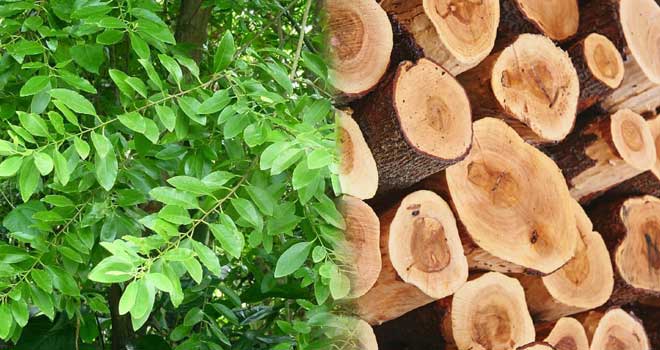
Sandalwood (Santalum album Santalaceae)
Sandalwood, a small tree primarily grown in India, yields precious oil used in perfumes and soaps. Traditionally, its oil or incense sticks have been used to freshen and purify air in homes and religious settings, emitting a soothing scent. The wood is also valued for carving.
Parts for Use
Heartwood
- The yellowish heartwood, with a subtle scent, is harvested, preferably in summer, though possible year-round.
- It is used as powder in perfumery and to prepare capsules, decoctions, extracts, and essential oils for aromatherapy.
- Sandalwood essential oil is a key ingredient in creams and balms.
Ingredients
Sandalwood contains santalen, a pigment giving the wood its red hue. Its essential oil is rich in terpenes, particularly santalol, which provides a pleasant aroma and potential soothing effects. The resin offers antiseptic and antifungal properties, supporting immune health. Tannins in sandalwood act as antioxidants with anti-inflammatory and antibacterial effects.
Use in Treatment
Sandalwood essential oil has historically been used for gonorrhea, cystitis, and urinary tract infections, though modern antibiotics are now preferred for these conditions. It is prescribed for skin infections and acne due to its antiseptic properties. In traditional Chinese medicine, sandalwood oil is used as a sedative and to relieve toothache, gingivitis, digestive problems, and migraines. Its diuretic properties may address water retention and leg swelling. A 2000 Japanese study found that santalol acts as a painkiller in mice, potentially easing intestinal and chest pain. The calming scent is used in Buddhist monasteries and some British monastic communities to aid meditation. A 1997 U.S. study suggested sandalwood oil may slow skin tumor development, and a 1999 Argentine study indicated it inhibits the herpes virus (genital and oral). Use for gonorrhea, cystitis, urinary tract infections, gingivitis, and herpes requires medical supervision due to potential risks and serious health implications.
Cultivation
Sandalwood, a parasitic tree, is rarely grown outside tropical climates. It requires a host tree for its roots to draw nutrients and thrives in lightly shaded, moist, well-drained, nutrient-rich soil.
Preparation and Dosage
For External Use (Intestinal Pain, Chest Pain, Skin Infections)
- Essential Oil for Pain: Mix 3 drops in 10 ml of carrier oil and massage onto the affected area.
- Essential Oil for Skin Infections: Dilute a few drops in 180 ml of water and apply to affected areas 3 times daily.
Warnings
- Consult a healthcare professional before use, especially for gonorrhea, cystitis, urinary tract infections, gingivitis, and herpes.
- Avoid sandalwood essential oil during pregnancy and breastfeeding.
- Do not use in individuals with kidney problems or children.
- Do not use sandalwood essential oil internally unless advised by a doctor, and then for no longer than 6 weeks.