Natural Remedies - Healing with Medicinal Herbs
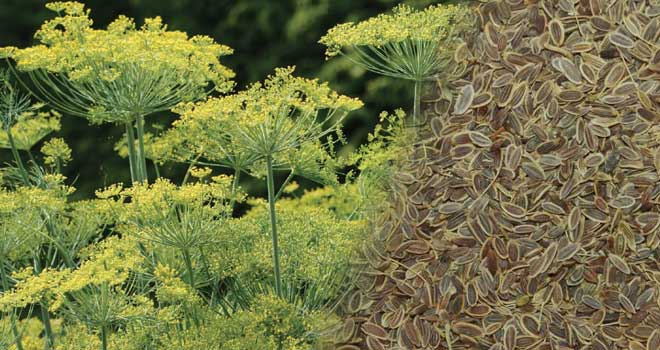
Dill (Anethum graveolens Umbrelliferae/Apiaceae)
Dill, originating from the Mediterranean region where it grows wild, has feathery leaves that spread like a fan around a hollow stem. In mid-summer, it blooms with tiny yellow flowers arranged in umbrella-shaped inflorescences, producing numerous oval, winged seeds dispersed by the wind.
Parts for Use
Leaves and Seeds
- Leaves are used for spreads and compresses.
- Seeds are collected when fully ripe and dried in a shady place to preserve active ingredients.
- Seeds are used in infusions, tablets, tinctures, powders, and to produce essential oil.
Ingredients
Dill seeds contain tannins, mucilage, resinous substances, albuminoid fats, and a high percentage of essential oil.
Use in Treatment
Dill is traditionally used to relieve bloating, indigestion, and hiccups, particularly in infants and young children, due to its high essential oil content. Its antibacterial properties, confirmed by studies, may inhibit harmful gut bacteria. Dill may also alleviate nausea when its essential oil is rubbed into the skin. For external use, dill seed-based ointments or spreads may be applied to treat bruises, gum infections, and clogged or full breasts in breastfeeding women. Use for gum infections and clogged/full breasts requires medical supervision due to potential risks and the need for professional guidance.
Cultivation
Sow dill seeds in well-drained, neutral to acidic soil in a sunny location.
Preparation and Dosage
For Internal Use (Indigestion)
- Infusion: Steep 4–8 g of dried seeds in 1 liter of boiling water for 10 minutes, strain, and drink 1 cup after a meal.
- Fruit Powder: Take 1–2 g daily.
- Tincture (1:4 in 45% alcohol): Add 10–15 drops to a glass of water and take 3 times daily.
For External Use (Bruises, Clogged and Full Breasts, Gum Infections, Nausea)
- Spread: Steep 50–100 g of dried seeds or leaves in 1 liter of boiling water for 10 minutes and apply to affected areas.
- Essential Oil (Nausea): Rub 2–3 drops on the forearm 2–3 times daily.
Warnings
- Consult a healthcare professional before use, especially for gum infections or clogged/full breasts in breastfeeding women.
- Avoid dill essential oil during pregnancy and breastfeeding.
- Use essential oil in small doses due to myristicin content.
- Avoid dried dill or its liquid preparations if following a low-sodium diet, as dill naturally contains high salt levels.