Natural Remedies - Healing with Medicinal Herbs
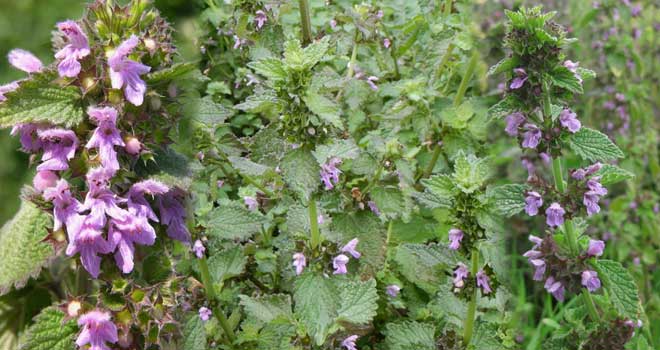
Black horehound (Ballota nigra Lamiaceae or Labiatae)
Other Names: Horehound, Black Nettle
Widely found across Europe, black horehound is recognizable by its distinctive "moldy" odor. The ancient Roman botanist Dioscorides recommended it as an antidote for bites from rabid dogs. This hairy plant features pink-purple flowers in summer, arranged in whorled inflorescences at the junctions of the apical leaves and its square stem.
Parts for Use
Flowers
- Flowers are harvested in July and August, then dried, chopped, and used to prepare infusions, decoctions, and tinctures.
- Black horehound is often combined with other calming herbs.
Ingredients
The flowers contain phenylpropanoids, notably verbascoside and forsythoside, which have soothing properties. The plant also contains anti-inflammatory flavonoids.
Use in Treatment
Black horehound is recommended for anxiety-related conditions, including insomnia, irritability, and nervous issues caused by menopause. A 2000 study by French scientists confirmed the calming effects of its phenylpropanoids. Its soothing properties also help alleviate coughs, including whooping cough, and relieve abdominal cramps. Black horehound preparations are used to treat seasickness, vomiting, and ringing in the ears (tinnitus).
Cultivation
Black horehound thrives in well-drained soil in sunny or shaded locations and is harvested during its summer flowering period.
Preparation and Dosage
For Internal Use (Insomnia, Anxiety, Irritability, Menopausal Nervous Issues, Cough, Whooping Cough, Abdominal Cramps, and Tinnitus)
- Infusion: Place 15–30 grams of dried black horehound flowers in 1 liter of boiling water, let sit for 10 minutes, strain, and drink three cups daily before meals.
- Tincture: Add 30 drops to a glass of water and take three times daily.
Warnings
- Consult a healthcare professional before use.
- Individuals with liver problems should avoid black horehound.
- Do not use black horehound during pregnancy or breastfeeding.
- Black horehound contains furan and labdane derivatives, which may harm the liver, so use with caution.