Natural Remedies - Healing with Medicinal Herbs
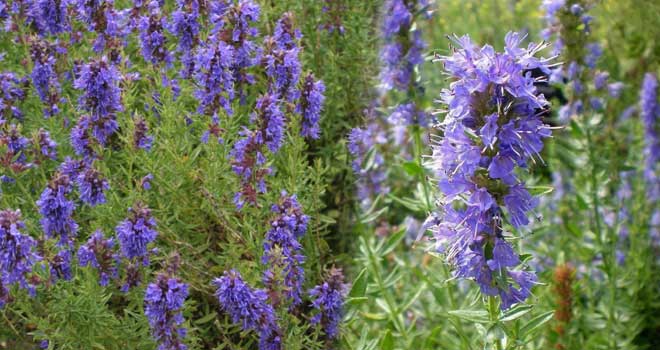
Hyssop (Hyssopus officinalis Lamiaceae)
Other Names: Medicinal Hyssop
Hyssop, an aromatic evergreen shrub used since biblical times, grows up to 60 centimeters in the Mediterranean region. Known for its role in fragrant liqueurs and aromatic honey produced by bees, this branched plant is valued for its medicinal properties.
Parts for Use
Aboveground Parts
- Harvested at the start of the flowering period.
- Dried for infusions.
- Flowers are distilled to produce a fragrant essential oil used in creams and lotions.
Ingredients
Hyssop flowers contain a highly aromatic essential oil with camphor and terpenes, along with tannins, flavonoids, and caffeic and rosemary acids, contributing to its therapeutic effects.
Use in Treatment
Hyssop’s antispasmodic properties, noted by Italian researchers in 2002, make it effective for treating coughs, asthma, bronchitis, and stomach cramps by slowing intestinal contractions. As an expectorant, it aids in relieving coughs and bronchial catarrh. Hyssop promotes sweating, boosts energy, and may help combat chronic fatigue. Its antiseptic, antifungal, and antiviral properties, particularly from caffeic acid, show promise against HIV, as reported in a 1990 study. Externally, hyssop leaf extract and essential oil are used to treat bruises and muscle pain.
Cultivation
Sow hyssop seeds in spring in well-drained, neutral to alkaline soil in a sunny location for optimal growth.
Preparation and Dosage
For Internal Use (Asthma, Bronchitis, Sore Throat)
- Infusion: Steep 1–2 teaspoons of dried flowers in a cup of boiling water, cover for 5–10 minutes, strain, and drink three cups daily.
- Gargling Water: Use the infusion for sore throat, gargling three times daily.
For External Use (Bruises)
- Essential Oil: Apply to bruises 2–3 times daily as per preparation instructions.
Warnings
- Consult a healthcare professional before use.
- Avoid during pregnancy, breastfeeding, or if you have high blood pressure.
- Do not use hyssop essential oil internally.
- Not suitable for children.
- Consult a doctor if using hyssop for more than three consecutive days.
- Individuals allergic to oregano or thyme may also be allergic to hyssop.
- No adverse side effects have been reported to date.