Natural Remedies - Healing with Medicinal Herbs
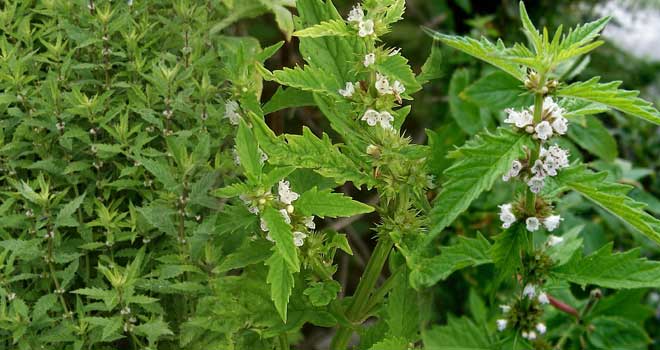
Gypsywort (Lycopus europaeus Lamiaceae)
Other Names: Gipsywort, Bugleweed, European Bugleweed, Water Horehound
Gypsywort thrives in moist environments, often found along stream banks and other watercourses. It produces tiny white flowers with purple dots in inflorescences, blooming from July to September.
Parts for Use
Aboveground Parts
- The plant can be used fresh or dried.
- It is used to prepare infusions, powders, tinctures, or extracts.
Ingredients
Gypsywort contains flavonoids, tannins, and phenolic acid derivatives, notably caffeic and rosmarinic acid. It also includes a bitter essential oil, fluorine, and manganese. Its therapeutic effects stem from the synergistic action of these compounds, with reduced efficacy if components like manganese or tannins are removed.
Use in Treatment
Gypsywort is primarily used to treat hyperthyroidism by influencing iodine metabolism and thyroxine secretion. It is also effective for hormonal disorders, menstrual problems, and breast pain linked to thyroid overactivity. The plant may inhibit hormones related to sexuality, milk production, and glucagon, which regulates blood sugar. Its tannins help suppress dry cough and bleeding by tightening tissues. A 2000 study by Chinese scientists found that gypsywort leaf extract inhibits enzymes involved in uric acid production, suggesting potential for gout treatment.
Cultivation
Gypsywort grows well in moist soil in sunny or slightly shady locations. Seeds can be sown in fall or spring.
Preparation and Dosage
For Internal Use (Overactive Thyroid, Gout, Cough)
- Infusion: Steep 1 to 3 grams of dried herbs in a cup of boiling water for 10 minutes, strain, and drink three cups daily.
- Tincture (1:5 in 25% alcohol): Take 1 to 2 ml three times daily.
- Liquid Extract (1:1 in 25% alcohol): Take 1 to 2 ml three times daily.
Warnings
- Consult a healthcare professional before use.
- Do not use during pregnancy or breastfeeding.
- Avoid if you have goiter or an underactive thyroid.
- Gypsywort may interfere with radioactive thyroid therapy.
- Do not administer to children before puberty.