Natural Remedies - Healing with Medicinal Herbs
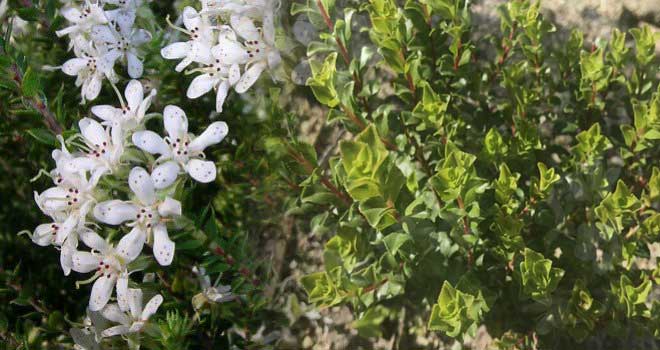
Buchu (Agathosma betulina Rutaceae)
This low shrub, native to the hilly regions of South Africa, has shiny, greenish-yellow, oval leaves with flat depressions containing fragrant essential oil. White or pink flowers and ovoid fruits appear in autumn as the leaves begin to fall.
Parts for Use
Leaves
- Leaves are harvested during summer and can be used alone or with other diuretic herbs.
Ingredients
The essential oil from buchu leaves is rich in pulegone and diosphenol, giving it a strong aroma reminiscent of black currant or a blend of rosemary and mint. The oil also contains flavonoids and plant mucilage.
Use in Treatment
Buchu is primarily used to treat urinary tract infections, including cystitis, urethritis, and prostatitis. Its leaves contain mucilage that soothes mucous membrane inflammation, making it suitable for relieving inflamed airways in chronic bronchitis. Buchu is also used for rheumatism and gout. The leaf oil, rich in diosphenol, is known for its diuretic and antiseptic properties. Animal studies confirm buchu’s antispasmodic effects, which help soothe digestive issues like flatulence and bloating associated with premenstrual syndrome. It is often combined with herbs like barberry, yarrow, or marshmallow.
Cultivation
Buchu is propagated from seeds or cuttings and thrives in well-drained, acidic soil in sunny locations. Water plants during very hot or dry weather.
Preparation and Dosage
For Internal Use (Cystitis)
- Infusion: Place one bag (2 g) in a cup of boiling water and drink up to three cups daily before meals.
- Capsules (350 mg): Take one capsule with a large glass of water twice daily during meals.
- Tincture: Add 40 drops to a glass of water and take three times daily before meals.
Warnings
- Consult a healthcare professional before use.
- Do not use buchu if you have serious kidney disease.
- Pulegone, an essential oil component, is toxic in large quantities.
- Avoid buchu during pregnancy, as pulegone may stimulate the uterus.
- Do not use buchu if taking blood thinners.
- Diuretics may cause potassium loss; consume fresh fruits and vegetables to replenish potassium.