Natural Remedies - Healing with Medicinal Herbs
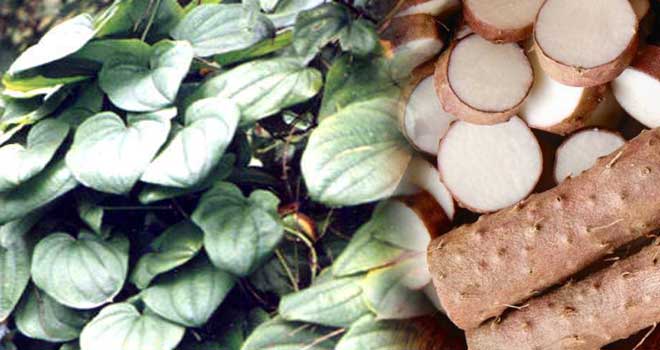
Dioscorea (Dioscorea villosa Dioscoreaceae)
Other Names: Wild Yam, Colic Root, Rheumatism Root, Devil's Bones, Fourleaf Yam
Dioscorea, a cousin of edible yams, is native to Mexico and the southern United States. This large climbing plant has dense, thickened roots and stems that wrap around supports, reaching up to 6 meters in height. Its heart-shaped leaves grow on long stalks, and yellowish-green flowers form small inflorescences.
Parts for Use
Underground Stem
- The underground stem, 5–10 cm in diameter, is cleaned, dried, and crushed or ground into powder.
- It is commonly used to prepare decoctions.
Ingredients
The underground stem contains steroidal saponins, tannins, phytosterols, and starch. Dioscorea is also a source of diosgenin.
Use in Treatment
Dioscorea is used to support the treatment of rheumatism, arthritis, and digestive issues such as colic and irritable bowel syndrome due to its antispasmodic properties, which may relieve painful muscle spasms, menstrual cramps, and childbirth pain. Its potential anti-inflammatory effect is attributed to dioscin. While traditionally used for hormonal problems in women, a 2001 Australian clinical trial found no evidence that dioscorea cream alleviates menopausal symptoms compared to a placebo. Use for arthritis and rheumatic pains requires medical supervision due to potential risks and the need for professional guidance.
Cultivation
Grow dioscorea in well-drained, nutrient-rich soil in a sunny or slightly shaded location.
Preparation and Dosage
For Internal Use (Digestive Problems, Rheumatic Pains)
- Decoction: Boil 1–2 g of underground stem in a cup of water for 15–20 minutes, strain, and drink 1–2 cups daily.
- Capsules (500 mg powder): Take 1–2 capsules up to 3 times daily.
Warnings
- Consult a healthcare professional before use, especially for arthritis and rheumatic pains.
- Avoid dioscorea during pregnancy and breastfeeding.