Natural Remedies - Healing with Medicinal Herbs
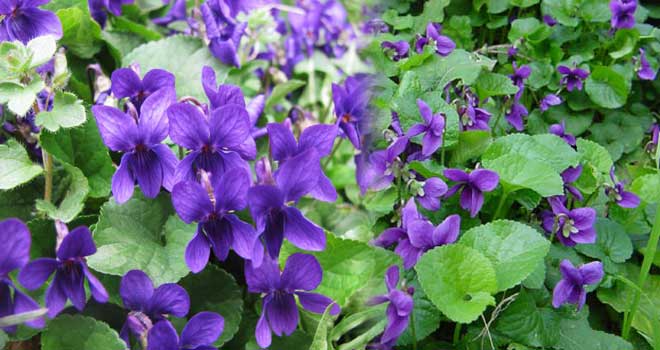
Sweet violet (Viola odorata Violaceae)
Other Names: Wood Violet, English Violet, Common Violet, Garden Violet
Sweet violet, a herbaceous perennial, grows 10–75 cm in moist, shady areas worldwide. It forms a rosette of light green, heart-shaped leaves with hairy surfaces and produces fragrant purple-blue or whitish flowers from February to April.
Parts for Use
Whole Plant
- Leaves, flowers, and stems are harvested in spring; the thickened underground stem (rhizome) in August and September.
- Used for infusions, tinctures, and syrups.
Ingredients
Contains phenolic glycosides, saponins, flavonoids, and mucilage, contributing to its anti-inflammatory, analgesic, and soothing properties.
Use in Treatment
Sweet violet has been used traditionally for respiratory and intestinal inflammation. Its compounds offer anti-inflammatory and analgesic effects, aid in cough relief, promote mucus expulsion, reduce fever, and alleviate pain. It is effective for mouth infections and skin issues like cracked skin. Recent studies suggest its peptides may have cytotoxic effects, potentially inhibiting the growth of certain malignant tumors, indicating possible use in cancer treatment.
Cultivation
Propagate by dividing adult plants, growing from seeds in spring, or using cuttings in fall. Grows well in moist, well-drained soil in a sunny spot with some summer shade.
Preparation and Dosage
For Internal Use (Airway Obstruction, Inflammation, Pain)
- Infusion: Steep 2–4 g dried flowers in a cup of boiling water for 10 minutes, cover, strain, drink 3 cups daily.
- Syrup: Boil 100 g dried flowers, 500 g sugar, and 300 ml water, cool, take 1 tbsp 2–3 times daily during meals.
- Tincture (1:4 in 25% alcohol): Take 20 drops in water 3 times daily after meals.
For External Use (Cracked Skin, Including Nipples)
- Cream/Ointment: Apply a preparation with 3% sweet violet to affected areas as directed.
Warnings
- Consult a healthcare professional before use.
- Excessive consumption of rhizome-based preparations may cause vomiting.